

Definition of Post Op: What Does It Mean After Surgery?
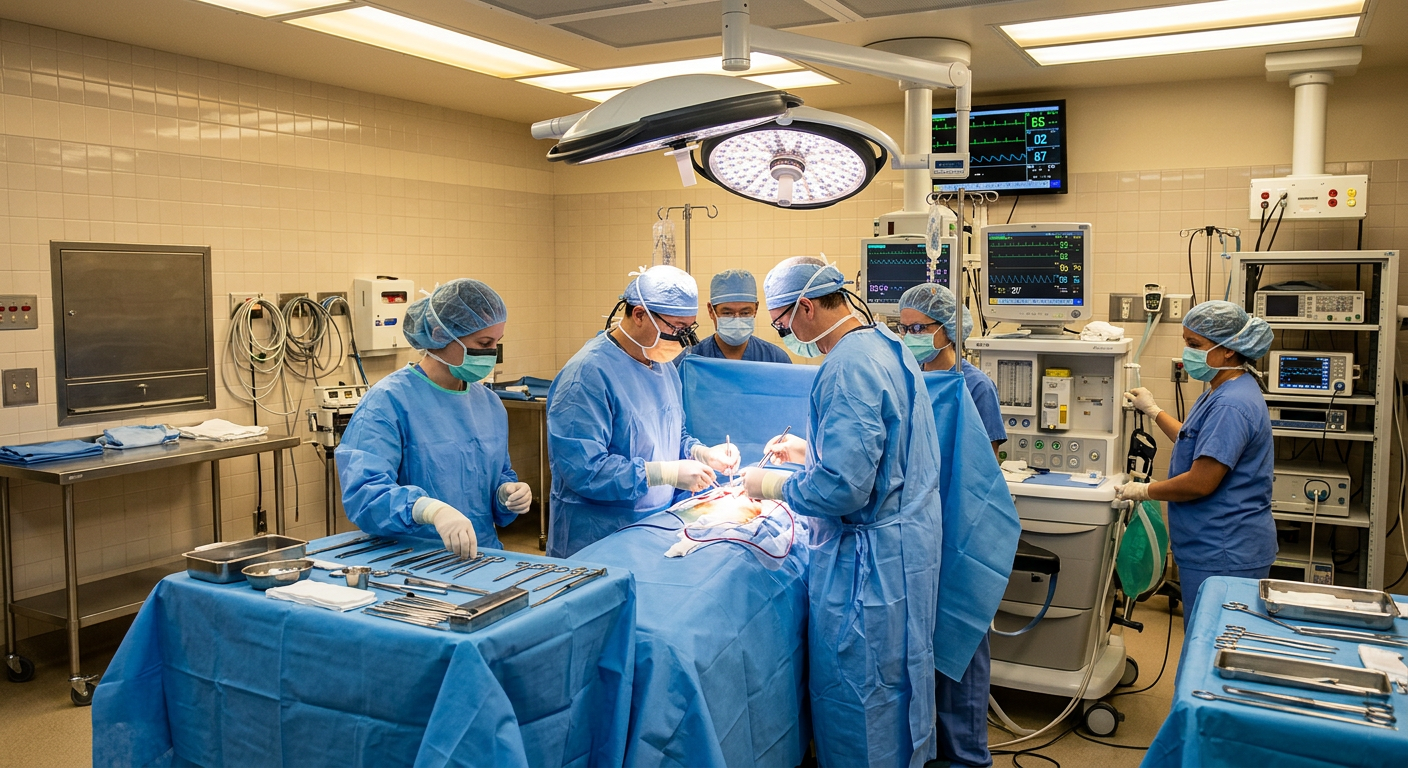
Definition of post op: What does it mean after surgery?
Seeing “post op” on your discharge paperwork can raise a simple question: what happens next? Understand the term, common surgery abbreviations, and what recovery may involve at home.
Home care nursing · Nursing education · Adult and pediatric care
Dolores Fishbein's background includes home care nursing, nursing education, and helping patients and families understand supportive home care and skilled nursing needs.
What is the definition of post op?
After surgery.Post op is short for postoperative, which means after surgery. It describes the period after an operation, a patient's condition during that period, or the care and appointments that follow. Post-op care can begin in the recovery room and continue after you go home.
A “post-op appointment” is a follow-up visit after surgery. The term alone does not tell you how serious the operation was, whether a complication occurred, or how much help you will need.
Post op, pre op, and other terms on your paperwork
“Post op,” “post-op,” “postoperative,” and “post-operative” refer to the same idea. The wording changes, but the meaning is after an operation.
- Pre op
- Before surgery, such as preparation or a preoperative assessment.
- Intraoperative
- During the operation.
- Post op
- After surgery, including recovery and follow-up care.
- Perioperative
- Around the time of surgery, covering care before, during, and after the procedure.
- Postoperative day (POD)
- A way of recording time since surgery. POD 1 generally means the day after the operation.
If a note says “POD 3,” it generally means the third day after surgery. It is a timing label, not a statement that healing is complete. Ask your care team to explain any abbreviation you do not recognize.
What is considered post-op care?
Post-op care is the medical care and practical support you receive after surgery. The plan depends on your procedure, health, and discharge instructions.
Care immediately after the operation
Staff in a recovery room or hospital unit monitor your condition as you recover from anesthesia. They check measures such as blood pressure and temperature and help address pain or nausea. Your team decides when you are ready for the next stage of care.
Care after discharge
At home, your plan may include prescribed medicines, incision care, activity restrictions, and follow-up visits. Some people also need nursing or rehabilitation services. Your discharge instructions should explain:
- Which medicines to take and how to take them.
- How to care for your incision, dressing, or other equipment.
- When you may bathe, drive, lift, work, or exercise.
- What symptoms to report and who to contact.
- When to attend follow-up appointments.
Follow the plan written for your operation. General recovery advice cannot replace procedure-specific instructions.
How long are you considered post op?
There is no single recovery timeline for every surgery. Post op simply identifies a time after an operation. A person may be described as one day, several weeks, or months post op.
Going home does not mean you have finished healing. Your surgeon can explain when to expect progress and when you may return to particular activities. A follow-up visit may still be needed even when you feel better.
Ask about separate milestones: walking safely, showering, driving, returning to work, and resuming exercise. These may happen at different times.
Does being post op mean you need home care?
Some people manage with instructions and help from family or friends. Others need professional support. The label “post op” alone does not determine the right service.
Skilled nursing and therapy
A licensed nurse may be needed for clinical tasks such as ordered wound care or assessment. Physical or occupational therapy may be part of the plan when your clinician recommends help with movement or daily activities. Ask the discharge team which services are ordered.
Help with everyday activities
Meals, dressing, bathing assistance, and household tasks may be harder while you recover. Practical help can support daily life, but it does not replace a nurse for tasks that require nursing skill.
For a fuller explanation of these options, read our home care after surgery guide .
Questions to ask before going home
- Will I need someone to stay with me, and for how long?
- Can I get out of bed and use the bathroom safely?
- Who will help with the tasks I cannot manage?
- Do I need supplies, equipment, nursing, or therapy?
- Who should I call during office hours and overnight?
When should you get medical help after surgery?
Your discharge instructions should list symptoms that require a call. Contact your surgical team promptly for increasing incision redness, warmth, swelling, drainage, a wound opening, or pain that is getting worse. Report a fever according to the instructions your team gave you.
Call 911 for an emergency
Severe shortness of breath, severe chest pain or pressure, heavy bleeding, or sudden stroke symptoms require emergency help. Do not wait for a home care appointment.
New leg pain or swelling after surgery also needs urgent medical assessment. If you are unsure about a symptom, contact your care team rather than assuming it is part of normal recovery.
Common questions about post op
Is post op the same as postoperative?
Yes. Post op is an abbreviated form of postoperative. Both mean after surgery.
What does “one week post op” mean?
It means about one week has passed since the operation. It does not mean recovery is complete or that all restrictions have ended.
What is a post-op appointment?
It is a follow-up appointment after surgery. Your clinician may check healing, discuss symptoms, review medicines, and explain the next steps in recovery.
Is post-op care only for major surgery?
No. Smaller procedures can also require aftercare and follow-up. The type and amount of care depend on the procedure and the person.
Can post-op care happen at home?
Yes. Once your team decides you can leave the surgical facility, recovery may continue at home with discharge instructions and any recommended support.
Does post op mean there was a complication?
No. It describes the time after surgery. A complication is a separate issue that your clinician would explain.
Planning for recovery at home in Florida?
Share your discharge plan and the kind of help you need with Dynamiks Home Care. Our team can discuss services, location, and next steps. Availability and coverage depend on your individual circumstances.
