

What Does a Home Health Nurse Do?
A home health nurse is an RN or LPN who provides skilled nursing care in the patient’s home. For families, a home care nurse can help with recovery, chronic condition management, medication routines, wound care, respiratory support, and family education while allowing care to happen in a familiar setting.
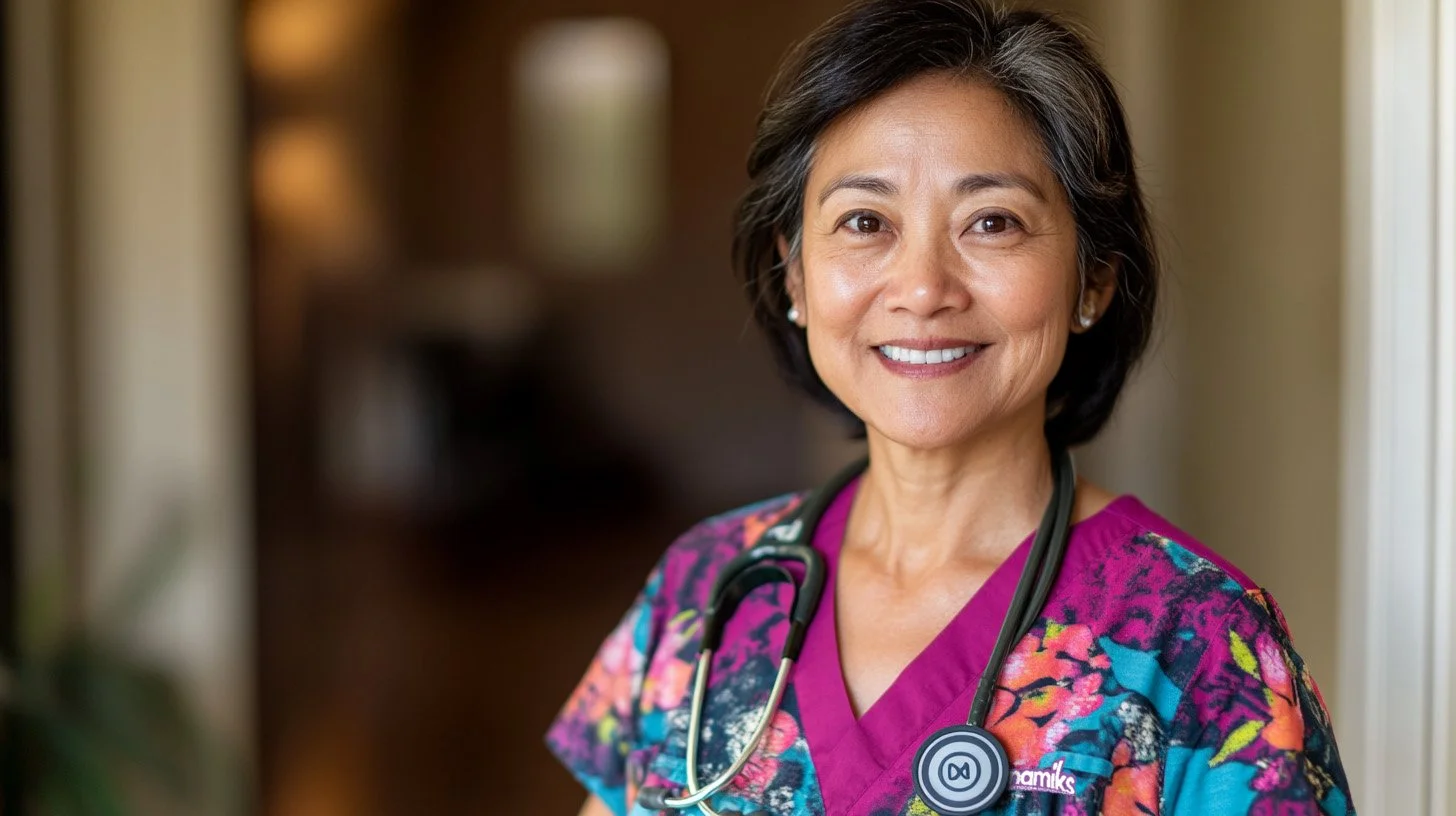
Home health nurses help patients heal, manage care needs, and stay supported outside of a hospital or facility.
Quick answer
A home health nurse provides skilled nursing care at home. This may include medication support, wound care, IV or nutrition therapy, injections, monitoring, patient education, and coordination with the care team.
What Does a Home Health Nurse Do?
A home health nurse helps patients receive skilled nursing care in their home instead of only in a hospital, clinic, rehab center, or nursing facility. The role can include medical care, teaching, monitoring, care coordination, and support for families who are helping manage care day to day.
People search for this role in different ways, including home care nurse, home health care nurse, in home nurse, home health RN, nurse at home, nurse service at home, home nursing, and nurse in the home. In most cases, they are looking for one thing: skilled help at home from a nurse who can support health, safety, recovery, and independence.
Home Health Nurse Duties
Home health nurse duties depend on the patient’s condition, physician orders, payer requirements, and approved plan of care. A home health RN or LPN may support both short-term recovery and ongoing chronic care needs.
- Medication support Administering medications, injections, or treatments when ordered, and helping monitor how the patient responds.
- Wound care Dressing changes, surgical wound support, pressure injury care, skin checks, and communication about healing concerns.
- IV or nutrition therapy Support with IV therapy, enteral nutrition, or feeding tube routines when included in the care plan.
- Respiratory care Support with tracheostomy care, ventilator needs, oxygen routines, suctioning, or respiratory monitoring.
- Condition monitoring Watching for changes in symptoms, vital signs, pain, breathing, wounds, blood sugar, or overall condition.
- Patient and caregiver education Teaching families what to watch for, how to follow the care plan, and when to contact a provider.
- Care coordination Communicating with physicians, therapists, case managers, family caregivers, and other members of the care team.
- Post-hospital support Helping patients transition home after hospitalization, rehabilitation, surgery, or a change in condition.
Home Health Nurse Responsibilities
A good home health nurse does more than complete tasks. They help create a safer bridge between the medical plan and the patient’s real home routine.
| Responsibility | What It Means at Home | Why It Matters |
|---|---|---|
| Clinical assessment | Observe the patient’s condition, symptoms, function, and response to care. | Helps identify changes early and supports safer care decisions. |
| Care plan support | Follow physician orders and the approved plan of care. | Keeps nursing care organized, documented, and aligned with provider direction. |
| Skilled nursing tasks | Provide nursing care such as wound care, medication support, monitoring, or respiratory care. | Supports medical needs that require trained nursing judgment. |
| Family teaching | Explain routines, warning signs, supplies, and safety steps to family caregivers. | Helps families feel more confident and less overwhelmed. |
| Communication | Share relevant updates with providers, care coordinators, and families. | Improves continuity of care and helps prevent gaps after discharge. |
Who Benefits from a Home Care Nurse?
A nurse in home care may support children, adults, and seniors. The right fit depends on the person’s diagnosis, care needs, safety risks, physician orders, family support, and payer requirements.
- Seniors with complex needs Older adults with chronic illness, wound care needs, medication changes, mobility concerns, or post-hospital recovery needs.
- Adults recovering at home Adults returning home after surgery, hospitalization, rehabilitation, stroke, cardiac events, illness, or injury.
- Medically fragile children Children who need pediatric private duty nursing, trach and vent care, feeding tube support, or condition monitoring.
- Patients with respiratory needs People who need oxygen routines, tracheostomy care, ventilator support, suctioning, or breathing-related monitoring.
- People with neurological conditions Patients with stroke recovery needs, Parkinson’s, ALS, MS, seizure disorders, or cognitive decline.
- Family caregivers Families who need clinical guidance, skilled backup, respite support, or help understanding the care plan.
Home Health Nurse vs. Home Health Aide vs. Caregiver
Families often ask whether they need a home health care nurse, a home health aide, a caregiver, or a combination of support. These roles are connected, but they are not the same.
| Role | Main Focus | Examples of Support |
|---|---|---|
| Home health nurse | Skilled nursing care at home from an RN or LPN. | Medication administration, wound care, monitoring, respiratory care, feeding tube support, injections, family education, and care coordination. |
| Home health aide | Personal care and daily living support. | Bathing, dressing, grooming, toileting, meals, walking support, hygiene, and comfort routines. |
| Caregiver or companion | Nonmedical support and supervision. | Companionship, reminders, light household support, safety presence, errands, and routine help. |
| Private duty nurse | Extended one-on-one nursing support for more complex care needs. | Longer shifts, overnight nursing, respiratory support, medication routines, chronic condition support, and skilled home care. |
Helpful way to think about it
If your loved one mainly needs help with bathing, meals, mobility, and companionship, a home health aide or caregiver may be appropriate. If the need involves clinical tasks, monitoring, wound care, injections, tube feeding, trach care, or a complex condition, a home health nurse or private duty nurse may be needed.
What Is Home Health Nursing?
Home health nursing is skilled nursing care delivered in a patient’s home. It helps patients recover, maintain their current condition, slow decline, manage chronic illness, and receive clinical support without unnecessary travel.
In-home skilled nursing care may be short term after a hospital stay, or it may be part of a longer care plan for a person with ongoing medical needs. Home health nurses may work with physicians, therapists, aides, case managers, and family caregivers to support the patient’s health and safety at home.
How Home Nursing Care Starts
Getting nurse service at home should feel clear. Dynamiks Home Care helps families and referral partners understand the care need, documentation, payer requirements, and next steps.
Contact Dynamiks Home Care or submit a referral for a child, adult, senior, or loved one who may need nursing at home.
Review the person’s diagnosis, care needs, location, physician involvement, daily routine, and family goals.
Identify whether the care need is home health nursing, private duty nursing, home health aide support, therapy, respite care, or a combination of services.
Confirm documentation, payer requirements, physician orders, authorization needs, staffing availability, and the approved plan of care.
Coordinate care around the patient’s safety, comfort, condition, schedule, home environment, and family support system.
Home Health Nurses Across Florida
Dynamiks Home Care supports families across Florida with home nursing, home health aide support, adult care, pediatric care, private duty nursing, respite care, and therapy coordination.
- 📍 West Palm Beach Home health care, adult care, pediatric care, and private duty nursing support.
- 📍 Fort Myers Nurse at home services and family support in Southwest Florida.
- 📍 Sebring Skilled nursing, respite care, and home care support in Highlands County.
- 📍 Orlando Pediatric and adult home health care support in Central Florida.
- 📍 Melbourne Home nursing and home health care services in Brevard County.
- 📍 Coral Springs Adult, senior, pediatric, and skilled nursing support in Broward County.
Home Health Nurse FAQ
What does a home health nurse do?
A home health nurse provides skilled nursing care in the patient’s home. Duties may include medication support, wound care, IV or nutrition therapy, injections, condition monitoring, respiratory care, patient education, and communication with physicians or care teams.
What is a home care nurse?
A home care nurse is an RN or LPN who supports patients at home. Some people also use the terms home health nurse, home health care nurse, in home nurse, home health RN, nurse at home, or nurse in the home.
What is home health nursing?
Home health nursing is skilled nursing care delivered in a patient’s home. It can support recovery after illness or injury, chronic condition management, monitoring, family education, and ongoing clinical needs.
What are common home health nurse responsibilities?
Common responsibilities include assessment, nursing care, wound care, medication support, monitoring, documentation, patient and caregiver education, and coordination with physicians, therapists, aides, and family caregivers.
What is the difference between a home health nurse and a caregiver?
A home health nurse is a licensed RN or LPN who can provide skilled nursing care. A caregiver or home health aide usually helps with nonmedical or personal care tasks such as bathing, dressing, mobility, meals, companionship, and daily routines.
Can a home health nurse help after a hospital stay?
Yes. A home health nurse may help with recovery after hospitalization, surgery, rehabilitation, illness, injury, or a change in condition. The exact services depend on the care plan, physician orders, payer rules, and staffing availability.
Does Medicare cover home health nursing?
Medicare may cover certain medically necessary part-time or intermittent home health services for eligible patients. Medicare does not pay for 24-hour-a-day care at home or custodial personal care when that is the only care needed.
How do I start home nursing care with Dynamiks Home Care?
You can contact Dynamiks Home Care or submit a referral. The team will review the patient’s care needs, location, physician involvement, payer information, documentation, service fit, and next steps.
Need a Home Health Nurse?
Dynamiks Home Care can help your family explore home health nursing, private duty nursing, pediatric care, adult home health care, respite care, and home health aide support across Florida.
