

HHA vs FHHA in Florida: What Families Should Know
Home Health Aide and Family Home Health Aide sound similar, but they describe different care pathways in Florida. A traditional HHA may provide permitted personal-care support for different patients, while FHHA is a specific pathway that may allow an eligible family caregiver to provide authorized aide services for a medically fragile child who qualifies for Private Duty Nursing.
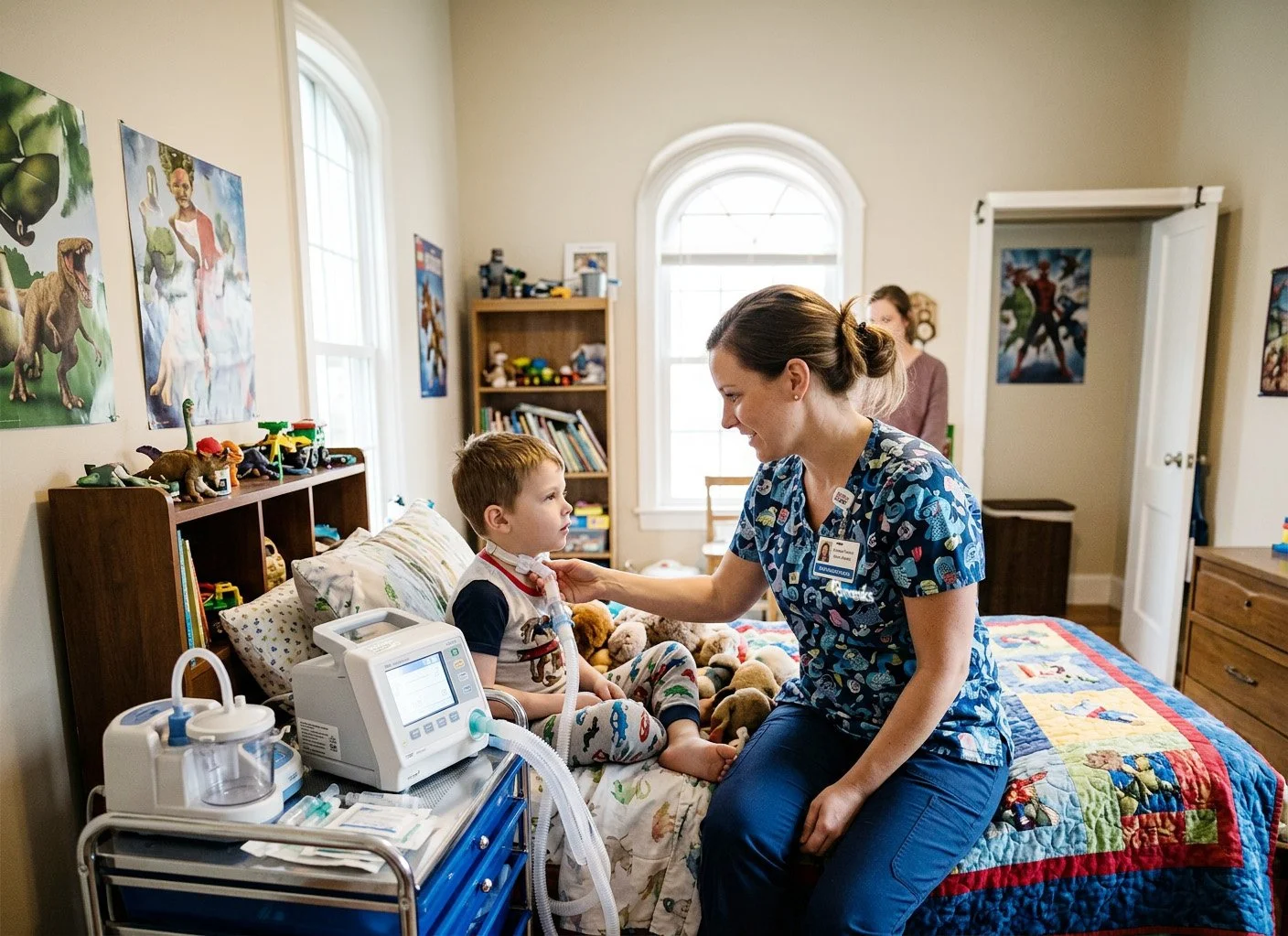
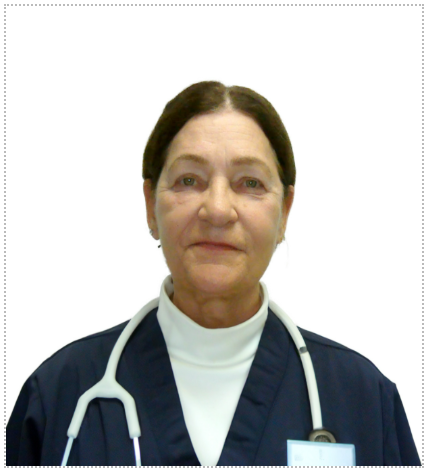
What is the difference between HHA and FHHA?
The biggest difference is who the caregiver is and why the service is being provided. Traditional HHA is a broader home health aide role. FHHA is a specific Florida family-caregiver pathway connected to an eligible medically fragile child who qualifies for Private Duty Nursing.
Home Health Aide
A broader aide-level care role that may support children, adults, or seniors with permitted personal care, mobility assistance, hygiene, daily living activities, and other approved support included in the person's care plan.
Family Home Health Aide
A Florida pathway that may allow an eligible family caregiver to be trained and employed by a participating home health agency to provide authorized aide services for a medically fragile child who meets program requirements.
HHA vs FHHA in Florida at a glance.
Both pathways involve aide-level support, but they are not interchangeable. The differences become clearer when you compare the caregiver relationship, who receives the care, and whether Private Duty Nursing eligibility is involved.
| Topic | Traditional HHA | FHHA |
|---|---|---|
| Primary purpose | Personal care and activities-of-daily-living support in the home. | Family-caregiver pathway for an eligible medically fragile child. |
| Who may receive care | Children, adults, seniors, and other qualifying individuals depending on the care arrangement. | An eligible medically fragile child under age 21. |
| Caregiver | A qualified or appropriately trained aide providing services through the applicable care arrangement. | An eligible family caregiver who meets Florida FHHA requirements. |
| Family relationship required | No specific family relationship is inherent to the traditional HHA role. | Applicable family-caregiver relationship requirements apply. |
| Private Duty Nursing required | PDN is not inherently required simply because someone receives HHA-level care. | The child must qualify for Private Duty Nursing before FHHA services may be considered. |
| Training pathway | Requirements depend on the employment setting, agency, services, and applicable Florida requirements. | A specific Florida FHHA training and competency pathway applies. |
| Skilled nursing | An HHA is not the same as an RN or LPN. | FHHA is also distinct from skilled nursing and does not replace the nursing role. |
What does each type of aide mean?
The terms overlap because both involve home health aide support, but the purpose and caregiver relationship are different.
What is a Home Health Aide?
A Home Health Aide may provide permitted personal care and assistance with activities of daily living for an individual receiving care at home. Depending on the person's approved care needs, this may include bathing, dressing, grooming, toileting, mobility, positioning, feeding assistance, and other aide-level support.
Traditional HHA care is not specifically limited to a family caregiver caring for a medically fragile child. HHA services may apply to different age groups and home-care situations.
Explore Home Health Aide Services →What is a Family Home Health Aide?
Florida's Family Home Health Aide pathway allows an eligible family caregiver to be trained and employed through a participating licensed home health agency to provide authorized aide services for a medically fragile child who qualifies under the program.
FHHA is tied to specific child eligibility, caregiver eligibility, training, screening, competency, care-plan, authorization, agency-employment, and Private Duty Nursing requirements.
Explore the Florida FHHA Program →The biggest differences between HHA and FHHA.
Families usually need to distinguish the two pathways in five areas: caregiver relationship, patient population, PDN eligibility, training, and how care is coordinated.
Who provides the care?
A traditional HHA is an aide providing permitted care through an applicable home-care arrangement. FHHA is specifically designed around an eligible family caregiver who meets the program requirements for the medically fragile child.
Who receives the care?
HHA-level support may apply to children, adults, seniors, or other individuals who need appropriate assistance at home. FHHA is specifically connected to an eligible medically fragile child under age 21.
Is Private Duty Nursing required?
Traditional HHA care does not inherently require the person to qualify for Private Duty Nursing. Florida's FHHA pathway does require the child to qualify for PDN before FHHA services may be considered.
Is the caregiver required to be family?
A traditional HHA does not need to be related to the patient simply because the service is HHA-level care. FHHA is specifically tied to an eligible family caregiver and applicable family-relationship requirements.
Is the training pathway the same?
No. Traditional HHA requirements depend on the applicable work setting, agency, duties, and Florida requirements. FHHA has a specific Florida training and competency pathway connected to the medically fragile child's individualized care needs.
See the FHHA training and process guide →Does FHHA replace Private Duty Nursing?
No. FHHA and Private Duty Nursing represent different levels of care. Private Duty Nursing is skilled nursing provided by a licensed RN or LPN. FHHA is an aide-level family-caregiver pathway with services coordinated around the child's authorized care plan and PDN services.
Florida law states that FHHA services must reduce the eligible child's Private Duty Nursing service hours and may not be provided concurrently with PDN. The exact approved schedule depends on the child's medical needs, applicable orders, payer requirements, authorization, and plan of care.
Families evaluating skilled nursing and family-caregiver support should look at the services as coordinated parts of the child's home-care plan rather than interchangeable forms of care.
Read the full FHHA vs Private Duty Nursing guide →Which type of information are you looking for?
The right page depends on whether you are trying to arrange traditional aide services or understand the family-caregiver FHHA pathway.
You may be looking for Home Health Aide services if:
- You need personal-care support for yourself or a loved one.
- The individual may be a child, adult, or senior.
- Bathing, dressing, grooming, toileting, mobility, or other daily activities have become difficult.
- You are comparing aide-level home-care options rather than a family-caregiver program.
You may be looking for the FHHA pathway if:
- You are a parent, guardian, or other potentially eligible family caregiver.
- The child is medically fragile and under age 21.
- The child qualifies for medically necessary Private Duty Nursing.
- You want to understand whether you may qualify to provide authorized aide support through a participating home health agency.
Continue with the guide that matches your question.
These pages go deeper into the individual topics without duplicating the purpose of this HHA vs FHHA comparison.
HHA vs FHHA questions.
Is FHHA the same as a regular HHA?
No. Traditional HHA is a broader aide-level care role. Florida's FHHA pathway is specifically designed around an eligible family caregiver providing authorized aide services for a medically fragile child who meets program requirements.
What is the biggest difference between HHA and FHHA?
The biggest difference is the caregiver relationship and program purpose. A traditional HHA may provide aide-level care to different patients, while FHHA is a specific family-caregiver pathway for an eligible medically fragile child.
Does a traditional HHA need to be related to the patient?
No specific family relationship is inherent to the traditional HHA role. The caregiver must instead meet the requirements that apply to the agency, employment setting, services being provided, and applicable regulations.
Does a child need Private Duty Nursing to receive regular HHA services?
Private Duty Nursing eligibility is not inherently required simply because a person may need traditional HHA-level assistance. Eligibility for any particular home health service depends on the individual's needs, applicable orders, payer requirements, authorization, and care plan.
Does a child need Private Duty Nursing before FHHA can be considered?
Yes. Under Florida's current FHHA pathway, the medically fragile child must qualify for Private Duty Nursing before FHHA services may be considered.
Can a parent become an FHHA for their own child?
An eligible parent or other qualifying family caregiver may be able to participate when the child and caregiver meet applicable FHHA requirements. Participation is not automatic and depends on eligibility, training, screening, employment, care-plan, authorization, and other program requirements.
Is FHHA skilled nursing?
FHHA is not the same as Private Duty Nursing performed by an RN or LPN. FHHA services are provided within the caregiver's approved role, training, competency, delegation, and the child's plan of care.
Does FHHA replace Private Duty Nursing?
No. FHHA services must be coordinated with the child's Private Duty Nursing services and may not be provided concurrently with PDN. Families who need detailed information should review the dedicated FHHA versus PDN guide.
Is FHHA training different from traditional HHA training?
Yes. Florida's FHHA pathway has specific training and competency requirements connected to the medically fragile child's individualized needs. For the current process and training structure, review the dedicated guide on becoming a Family Home Health Aide in Florida.
How can Dynamiks Home Care help me decide where to start?
Dynamiks Home Care can discuss whether you are looking for traditional Home Health Aide services, the Family Home Health Aide pathway, Private Duty Nursing, or another form of in-home care and explain the appropriate next steps based on the individual's circumstances.
This guide provides general educational information. HHA services, FHHA eligibility, training, employment, authorization, coverage, service hours, caregiver assignments, and start dates depend on the individual's circumstances, applicable Florida requirements, practitioner orders when required, payer rules, documentation, approved plan of care, agency participation, caregiver competency, and staffing availability.
Florida FHHA program sources.
Families should use current Florida sources when confirming FHHA requirements because program rules and payer implementation may change.
Still deciding between HHA, FHHA, or nursing care?
Tell Dynamiks Home Care who needs support, the person's age and care needs, your Florida location, and whether you are exploring traditional aide services or the FHHA family-caregiver pathway.
