

How to Hire a Nurse for Home Care: A Step-by-Step Guide
Hiring a nurse for home care starts with understanding what level of care is actually needed. A family looking for medication management, feeding-tube care, respiratory support, clinical monitoring, or other skilled nursing needs a different type of professional than a family looking primarily for help with bathing, meals, mobility, companionship, or everyday personal care.

How do you hire a nurse for home care?
To hire a nurse for home care, first identify the person's medical and daily-care needs. Determine whether you need an RN, LPN, private duty nurse, or non-nursing caregiver. Then choose whether to work with a home health agency, nurse registry, or another appropriate hiring arrangement. Verify the nurse's active license and relevant home-care experience, confirm competency for any medical equipment or treatments, review the schedule and cost or insurance requirements, discuss communication and backup coverage, and make sure skilled services follow applicable physician orders and the approved plan of care when required.
8 Steps to Hire a Nurse for Home Care
Families often begin by searching for a home nurse before knowing exactly which type of professional they need. Starting with the care needs makes the hiring process much clearer.
Write Down the Care Needs
List medications, diagnoses, medical equipment, feeding routines, respiratory needs, mobility needs, seizure precautions, treatments, appointments, personal-care needs, and the times of day support is needed.
Determine Whether Skilled Nursing Is Needed
Skilled nursing may be appropriate when the person needs clinical monitoring, medication administration, treatments, feeding-tube care, respiratory nursing, wound care, seizure-related nursing, medical equipment support, or other services requiring nursing judgment or professional scope.
Decide What Type of Nurse You Need
The appropriate professional may be an RN, LPN, or private duty nurse depending on the person's care requirements, the nurse's professional scope, physician orders when required, payer requirements, and the approved care plan.
Choose How You Want to Hire
Families may explore a licensed home health agency, nurse registry, or another appropriate arrangement. Ask exactly who employs or contracts with the nurse, who provides clinical oversight, and what happens when the regularly scheduled nurse is unavailable.
Verify Credentials and Competency
Confirm an active nursing license and ask about relevant home-care experience. If care involves a tracheostomy, ventilator, feeding tube, seizure protocol, wound, infusion, or another specialized need, ask how competency for that specific care is evaluated.
Review Coverage, Cost, and Authorization
Determine whether the care will be private pay, Medicaid, private insurance, or another payer arrangement. When insurance is involved, ask what orders, clinical documentation, assessments, prior authorization, or other information is required.
Interview for Communication and Fit
Clinical skill matters, but so do communication, reliability, respect for family routines, documentation, comfort with the person's needs, and the ability to communicate meaningful changes appropriately.
Confirm the Care Plan and Start Process
Before care begins, make sure everyone understands the approved services, schedule, clinical responsibilities, emergency procedures, equipment, documentation expectations, communication process, and who to contact if needs change.
What Kind of Home Nurse Do You Need?
One of the most important parts of hiring home care is understanding the difference between nursing care and non-nursing support.
Registered Nurse
An RN may provide assessment, clinical monitoring, skilled treatments, medication-related nursing, care coordination, education, and other nursing services within professional scope and the applicable care plan.
Licensed Practical Nurse
An LPN can provide many types of skilled nursing care within applicable professional scope, supervision requirements, competency, physician orders, and the person's care plan.
Private Duty Nurse
Private duty nursing generally refers to extended or continual one-on-one skilled nursing rather than a short intermittent nursing visit.
Explore pediatric private duty nursingHome Health Aide
A home health aide is not the same as an RN or LPN. Aides may provide permitted personal-care and daily-living support depending on the service, training, supervision, and care plan.
Respite Caregiver
Respite services may help families manage ongoing caregiving responsibilities, but respite care is not automatically a substitute for skilled nursing when nursing-level care is required.
Learn about respite careTherapy at Home
A child, adult, or senior may also need physical, occupational, or speech-related therapy rather than, or in addition to, nursing services.
Home Health Agency vs. Nurse Registry vs. Private Hire
When someone searches for a nurse for home care, they may encounter several different service models. Understanding the arrangement before agreeing to care is important.
Home Health Agency
A home health agency may provide skilled nursing and other home health services. Ask about clinical supervision, staff competency, scheduling, insurance participation, authorization assistance, and backup coverage.
Nurse Registry
In Florida, nurse registries are a separate provider category that may offer contracts for nurses and other home-care personnel. Families should understand the registry's role and the contractual relationship with the caregiver.
Private Hire
Families may also encounter nurses offering services through other lawful arrangements. Before proceeding, clarify credential verification, liability, scheduling, backup care, payment, clinical oversight, documentation, and who is responsible for administrative requirements.
What Should You Verify Before Hiring a Home Nurse?
A good interview should go beyond asking whether someone is an RN or LPN. The nurse should also be appropriate for the specific care being requested.
Questions to Ask Before Hiring a Home Nurse
These questions can help families compare home nursing providers more effectively.
Do you serve my address?
Confirm the provider serves your city and can support the requested schedule.
Do you care for this type of patient?
Ask about pediatric, adult, senior, medically complex, neurological, respiratory, or post-hospital experience as applicable.
How do you evaluate competency?
Ask how the provider determines whether a nurse is prepared for the person's specific clinical needs and equipment.
What paperwork is needed?
Ask about physician orders, assessments, discharge records, medication lists, insurance information, and authorization.
How is coverage handled?
Ask whether the provider accepts the person's payer and what portion, if any, may be private pay.
What happens when a nurse calls out?
Understand the backup process and avoid assuming every approved or requested shift can always be staffed.
How Much Does It Cost to Hire a Nurse for Home Care?
There is no single home-nursing rate that applies to every family. The cost can vary based on the level of nursing required, RN or LPN staffing, shift length, schedule, complexity of care, location, payer arrangement, and whether services are being paid privately or through an authorized benefit.
Ask for a clear explanation of private-pay rates and any insurance or Medicaid authorization requirements before services begin. Requested hours are not automatically covered or authorized.
Hiring a Home Nurse for a Medically Complex Child
Hiring pediatric nursing care requires additional attention to child-specific competency. A nurse who is an excellent fit for adult home care is not automatically the right fit for a child who uses a ventilator, tracheostomy, feeding tube, seizure rescue plan, oxygen, mobility equipment, or other complex technology.
Pediatric private duty nursing may provide one-on-one skilled nursing when the child's needs require more extensive or continual nursing support at home.
Learn more about pediatric private duty nursing or pediatric trach and ventilator home care .
Can Florida Medicaid Help Pay for Pediatric Home Nursing?
Florida Medicaid may reimburse medically necessary private duty nursing for qualifying recipients under age 21 when current program requirements are met.
Current Florida Medicaid guidance states that qualifying recipients must be under the care of a physician, have an order for private duty nursing in the plan of care, require more extensive and continual care than can be provided through a home health visit, and require services that can be safely delivered in the home or community.
Eligibility, authorization, approved hours, documentation, scheduling, and staffing are individual. A diagnosis or request for nursing does not guarantee approval or a particular number of hours.
Families can review our guide: Does Florida Medicaid Cover Pediatric Private Duty Nursing?
How to Find a Nurse for Home Care in Florida
Florida families should verify both the individual nurse and the organization providing or arranging care. The Florida Board of Nursing provides nursing-license verification, while the Florida Agency for Health Care Administration oversees home health agencies, nurse registries, and other regulated in-home service provider categories.
Dynamiks Home Care serves children, adults, and seniors through multiple Florida locations. Availability depends on the requested service, clinical needs, address, payer requirements, authorization, schedule, staff competency, and qualified staff availability.
Related Home Nursing Resources
Hiring a Nurse for Home Care FAQs
Common questions families ask when looking for nursing care at home.
Can you hire a nurse for home care?
Yes. Depending on the person's needs and circumstances, families may obtain home nursing through a home health agency, nurse registry, private duty nursing provider, or another appropriate arrangement. The right option depends on the required nursing services, location, payer, schedule, and applicable regulatory requirements.
How do I find a nurse for home care?
Start by identifying the person's clinical and daily-care needs. Then look for a provider serving the person's location, confirm the appropriate nursing level, verify RN or LPN licensure, ask about relevant home-care experience and competency, and review scheduling, insurance, authorization, backup coverage, and communication.
I need a nurse to come to my house. Where do I start?
Begin with the reason nursing is needed. Gather the person's medication list, diagnoses, equipment information, recent clinical records, physician orders if available, insurance information, requested schedule, and a list of the tasks or nursing support needed at home.
How do I hire a private nurse for home care?
Define the required nursing responsibilities, verify the nurse's active license, confirm experience with the person's specific needs, clarify the hiring or contracting relationship, discuss payment, documentation, scheduling, backup coverage, emergency procedures, and ensure nursing services follow applicable orders and care-plan requirements.
How much does it cost to hire a nurse for home care?
Cost varies according to RN or LPN level, complexity of care, location, schedule, shift length, private-pay rates, insurance participation, Medicaid eligibility, authorization, and other factors. Families should request a clear explanation of rates and coverage before services begin.
What is the difference between a home nurse and a caregiver?
An RN or LPN is a licensed nurse who may provide skilled nursing within professional scope. A caregiver or home health aide may provide permitted personal-care or daily-living assistance but is not automatically qualified to perform nursing services.
Can I hire a nurse for overnight home care?
Overnight nursing may be available when clinically appropriate and when the requested or authorized schedule can be appropriately staffed. Insurance or Medicaid coverage depends on applicable requirements and authorization.
How do I verify a home nurse in Florida?
Florida nursing licenses can be verified through the Florida Department of Health and Board of Nursing. Families working with a home-care organization should also verify the provider's applicable regulatory or licensure status through the Florida Agency for Health Care Administration.
Can a home nurse care for a child with a trach or ventilator?
An appropriately qualified nurse may provide tracheostomy or ventilator-related nursing when the nurse has the required competency and the care is clinically appropriate, ordered when required, authorized, staffed, and included in the child's approved plan of care.
Sources & Further Reading
Florida Agency for Health Care Administration: Home Health Agencies, Nurse Registries, and regulated in-home service providers.
Florida Department of Health and Florida Board of Nursing: RN and LPN licensing and license verification.
Florida Medicaid: Private Duty Nursing and Family Home Health Aide Services Coverage Policy.
Nursing eligibility, coverage, authorization, approved hours, staffing, documentation requirements, and start dates vary by payer and individual circumstances. Families should verify current requirements for their specific situation.
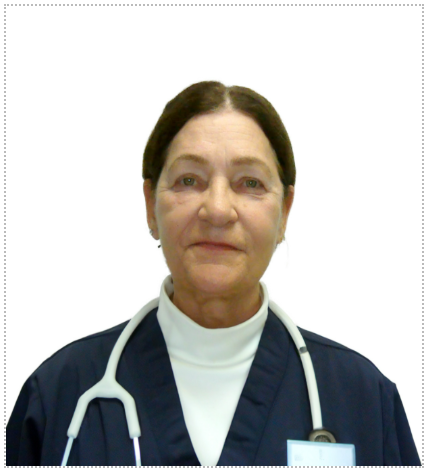
Dolores Fishbein, MSN, RN
Need a Nurse to Come to Your Home?
Talk with Dynamiks Home Care about the person who needs care, their medical and daily support needs, location, physician orders or clinical documentation, insurance or Medicaid information, requested schedule, and the type of home nursing support you are exploring.
