

Signs Your Loved One May Need Nursing Services at Home
Families often notice small changes before they realize that care needs have become more complex. Medication routines may become harder to manage, recovery after a hospital stay may require more monitoring, or a child or adult may need skilled medical support that family caregivers cannot safely provide on their own.

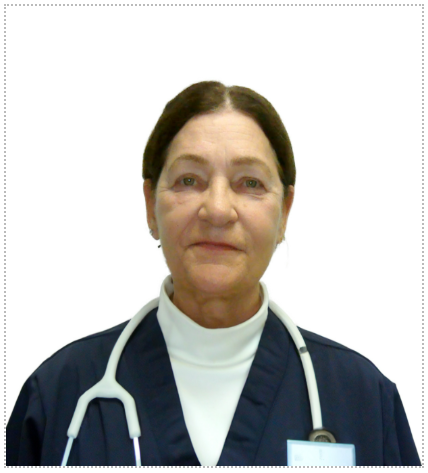
What are the signs that someone may need nursing care at home?
It may be time to discuss home nursing when medical needs are becoming difficult to manage safely without professional support. Examples include increasingly complex medication routines, skilled wound care, clinical monitoring after hospitalization, recurring changes in a chronic condition, medical equipment that requires trained care, or ongoing nursing-level needs such as tracheostomy, ventilator, feeding tube, or seizure-related support.
Not every person who needs help at home needs a nurse. Someone whose primary needs involve bathing, dressing, grooming, mobility, toileting, feeding, or other daily routines may instead need home health aide support. The appropriate service depends on the person's actual clinical and functional needs.
What does nursing care at home actually mean?
Home nursing is skilled clinical care provided in a person's home by a licensed nurse, typically an RN or LPN, when nursing-level assessment, monitoring, treatment, medication-related care, documentation, or other skilled interventions are appropriate.
Skilled nursing is different from general caregiving.
A nurse may support needs that require professional nursing judgment or licensed clinical skills. Depending on the person's situation and approved plan of care, this may include skilled assessment, clinical observation, medication-related care, wound care, respiratory support, feeding tube care, seizure precautions, patient or caregiver education, and other ordered nursing services.
Home health aides, CNAs, therapists, and companion caregivers have different roles. The right service depends on what the person actually needs rather than age or diagnosis alone.
10 signs it may be time to ask about home nursing.
These signs do not automatically mean that nursing will be ordered, covered, or authorized. They are reasons to discuss the person's changing care needs with their healthcare provider or home-care team.
Medication routines have become difficult to manage
Multiple medications, changing schedules, injections, medication monitoring, or repeated difficulty following prescribed routines may signal that the person's care needs should be reviewed. The appropriate solution depends on the medication, clinical condition, professional scope, and care plan.
A wound needs skilled assessment or treatment
Surgical wounds, pressure injuries, diabetic wounds, or other wounds may require professional assessment, prescribed treatment, monitoring, documentation, or caregiver education when skilled care is clinically appropriate.
Health needs changed after a hospital stay
A return home after hospitalization or surgery may involve new medications, treatments, equipment, wound care, monitoring, rehabilitation, or other needs that family caregivers have not previously managed.
A chronic condition requires more monitoring
Changes related to diabetes, respiratory disease, neurological conditions, cardiac conditions, or other chronic illnesses may create additional clinical needs. A healthcare provider can determine whether skilled nursing assessment or monitoring is appropriate.
Hospital or urgent-care visits are becoming more frequent
Repeated acute-care visits can be a reason to review whether the current home support plan is meeting the person's needs. Home nursing does not replace emergency care, but a clinician may determine that additional monitoring or skilled services are appropriate between medical visits.
Medical equipment is now part of daily care
Oxygen-related equipment, feeding pumps, respiratory equipment, suction devices, catheters, or other medical equipment may require education, monitoring, or skilled support depending on the person's clinical needs and prescribed plan.
Family caregivers are managing increasingly clinical tasks
If family members are spending more time managing treatments, monitoring symptoms, coordinating complex medications, documenting care, or performing tasks they do not feel prepared to handle safely, it may be time for a professional care review.
The person's condition changes frequently
A person whose clinical status is becoming less predictable may need reassessment by their healthcare provider. If ongoing skilled observation or treatment is medically necessary, home nursing may be considered as part of the care plan.
Recovery at home requires more than personal care
Help with bathing or dressing alone is different from skilled nursing. Nursing may be relevant when recovery also involves clinical assessment, wound care, prescribed treatments, medication-related needs, monitoring, or other skilled services.
You are no longer sure which type of care is appropriate
Families do not need to decide between nursing, HHA care, therapy, or other services on their own. A review of the person's medical and functional needs can help identify which type of home support should be explored.
If you believe your loved one is experiencing a medical emergency, use emergency medical services rather than waiting for a home-care visit or consultation.
Signs a child may need skilled nursing at home.
Children may need home nursing for very different reasons than older adults. Pediatric private duty nursing is generally considered when a child has ongoing medical needs requiring nursing-level monitoring, treatment, or intervention rather than supervision or childcare alone.
Tracheostomy or airway needs
Children who require ordered tracheostomy care, suctioning, airway monitoring, oxygen-related support, or other respiratory interventions may have skilled nursing needs.
Ventilator support
Ventilator-dependent children may require trained nursing support based on clinical needs, physician orders, competency requirements, authorization, and the approved care plan.
Complex feeding tube routines
G-tube, J-tube, NG tube, feeding pump, site-care, or nutrition routines may involve skilled nursing when nursing-level care is medically necessary and included in the plan.
Seizure precautions or rescue protocols
Some children with seizure disorders may require observation, prescribed medication support, rescue protocols, post-event monitoring, and clinical documentation.
Post-NICU or post-hospital complexity
A child coming home with new respiratory, feeding, medication, monitoring, or equipment needs may require skilled nursing support when clinically appropriate.
Ongoing nursing-level medical needs
Genetic, neurological, neuromuscular, developmental, or rare conditions may involve skilled nursing when the child's actual medical needs require licensed clinical care.
Pediatric nursing services depend on the child's actual clinical needs, applicable orders, documentation, payer criteria, authorization, professional scope, staffing availability, and approved plan of care.
Does your loved one need a nurse or a home health aide?
This distinction matters because skilled nursing, aide care, therapy, and companion services address different needs.
| Type of support | Primary focus | Examples |
|---|---|---|
| Skilled Nursing | Clinical care provided by a licensed RN or LPN. | Nursing assessment, clinical monitoring, medication-related care, wound care, respiratory support, tube-related care, and other skilled services when appropriate. |
| Home Health Aide | Permitted hands-on personal care and everyday support. | Bathing, dressing, grooming, toileting, mobility, positioning, feeding assistance, and other approved daily-care tasks. |
| Physical or Occupational Therapy | Skilled rehabilitation and functional improvement. | Mobility, strength, balance, transfers, daily activities, adaptive strategies, and individualized rehabilitation goals. |
| Homemaker or Companion | Non-skilled household or companionship support. | Companionship and permitted non-clinical household assistance depending on provider scope and service arrangement. |
Start with the type of help your loved one actually needs.
Instead of beginning with a job title such as nurse or aide, begin with the care need. That makes it easier to identify the appropriate service.
Adult Private Duty Nursing
Explore one-on-one skilled nursing for adults whose medical needs may require more consistent RN or LPN support at home.
Explore Adult PDN → Pediatric Skilled CarePediatric Private Duty Nursing
Learn about skilled nursing at home for children with complex respiratory, feeding, neurological, medication, or other medical needs.
Explore Pediatric PDN → Personal CareHome Health Aide Services
Explore hands-on support for personal care, bathing, dressing, grooming, mobility, toileting, feeding, and everyday routines.
Explore HHA Services →What happens when you ask about nursing care at home?
The exact process varies by the person's needs and payer, but families can generally expect several steps before services begin.
Describe what has changed.
Explain the medical condition, recent hospitalization or surgery, medications, treatments, equipment, mobility, personal-care needs, current caregivers, and what has become difficult at home.
Review the clinical needs.
The healthcare provider or home-care team may review medical records, current treatments, functional needs, orders, and other information needed to understand which service may be appropriate.
Confirm orders and payer requirements.
Depending on the service and payer, physician or practitioner orders, clinical documentation, medical-necessity review, insurance verification, prior authorization, or other requirements may apply.
Build the appropriate plan of care.
When services are appropriate, the plan should identify the person's approved care needs, tasks, clinical goals, schedule, supervision requirements, and other relevant instructions.
Coordinate appropriate staffing.
Service start and scheduling depend on care needs, professional scope, required competencies, authorization, service location, schedule, and availability of appropriately qualified staff.
Does Medicare, Medicaid, or insurance cover home nursing?
Coverage depends on the payer, the type of nursing service, medical necessity, documentation, orders, eligibility rules, authorization, network requirements, and the approved care plan.
Medicare Home Health
Medicare may cover medically necessary part-time or intermittent skilled nursing for eligible beneficiaries when its home-health requirements are met. Medicare home health is not the same as continuous 24-hour nursing and generally does not cover personal or custodial care when that is the only care needed.
Medicaid Home Health Services
Florida Medicaid home health may include skilled nursing and home health aide visits for eligible recipients. Florida Medicaid also has separate pediatric pathways, including Private Duty Nursing for eligible recipients under age 21 when applicable requirements are met.
Private Insurance
Coverage varies by insurance plan. Network status, medical necessity, physician orders, authorization, covered benefits, visit limits, cost sharing, and other requirements may affect what services are available.
Private Pay & Other Benefits
Some families may use private-pay arrangements or other eligible benefits when a service is not covered by a health plan. Availability, cost, scope, and staffing should be reviewed directly before care begins.
A diagnosis, hospital discharge, or family request alone does not guarantee insurance coverage, authorized hours, a specific nursing schedule, staffing, or a particular start date.
Home nursing support across six Florida service areas.
Dynamiks Home Care supports families through service areas in South Florida, Central Florida, Southwest Florida, the Treasure and Space Coast region, and Highlands County. Availability varies by care needs, authorization, location, schedule, and qualified staffing.
Home nursing questions families often ask.
How do I know if my elderly parent needs a nurse at home?
Consider asking for a care review when your parent's needs increasingly involve clinical monitoring, complex medication routines, skilled wound care, treatments, medical equipment, changes after hospitalization, or other tasks requiring nursing-level skills. If the main need is bathing, dressing, grooming, toileting, mobility, or feeding assistance, home health aide care may be a more appropriate service to explore.
What is the difference between home nursing and home care?
Home nursing refers to skilled clinical services performed by licensed nurses such as RNs or LPNs. The broader term home care may also include home health aides, CNAs, therapy, homemaker services, companion support, and other services depending on the agency and care arrangement.
Does needing help with bathing or dressing mean someone needs a nurse?
Not necessarily. Bathing, dressing, grooming, toileting, mobility, and other permitted activities of daily living may fall within home health aide care rather than skilled nursing. The appropriate caregiver depends on the person's actual needs and applicable scope-of-practice and care-plan requirements.
Can a nurse help after a hospital stay?
Home nursing may be appropriate after hospitalization when the person has skilled needs such as clinical monitoring, wound care, medication-related care, prescribed treatments, caregiver education, or other services that require nursing skills. Orders, eligibility, authorization, and coverage requirements may apply.
Can children receive nursing care at home?
Yes. Children with medically complex needs may receive skilled nursing at home when applicable clinical, order, documentation, eligibility, payer, authorization, and care-plan requirements are met. Pediatric nursing may support needs such as tracheostomy care, ventilator support, feeding tube routines, seizure precautions, medication-related care, and other ordered nursing services.
What is private duty nursing?
Private duty nursing generally refers to individualized nursing care provided by an RN or LPN for a person who requires ongoing nursing-level support. The exact setting, hours, services, coverage, and eligibility depend on the person's clinical needs and care arrangement.
Does Medicare pay for a nurse at home?
Medicare may cover medically necessary part-time or intermittent skilled nursing under its home-health benefit when applicable eligibility requirements are met. Medicare generally does not cover 24-hour care at home or custodial personal care when personal care is the only service needed.
Does Florida Medicaid cover home nursing?
Florida Medicaid may cover eligible home health services when applicable medical-necessity, documentation, order, authorization, and program requirements are met. Services vary by age and program, including skilled home health visits and certain pediatric Private Duty Nursing services.
How quickly can home nursing begin?
Start times vary. Documentation, physician or practitioner orders when required, payer authorization, care-plan development, service location, schedule, nurse competency requirements, and qualified staff availability can all affect when services begin.
How do I start a home nursing referral with Dynamiks?
Contact Dynamiks Home Care or submit a referral with information about the person needing care, the service area, current medical needs, physician or discharge information when available, insurance details, and the type of support you are exploring. The team can explain the next steps for reviewing the care request.
Home nursing and coverage resources.
Coverage rules and clinical requirements can change. Families should confirm current requirements with the applicable healthcare provider, payer, and home health agency.
This article is educational and does not determine whether a person requires nursing care or qualifies for a particular home health service. Clinical recommendations, eligibility, covered services, nursing hours, schedules, authorization, and staffing depend on the person's individual needs, applicable practitioner orders, documentation, payer requirements, professional scope, location, approved plan of care, and qualified staff availability.
Not sure what level of home care your loved one needs?
Tell Dynamiks Home Care what has changed, who needs support, where care is needed, and which medical or daily-care needs are becoming difficult. Our team can help you understand which home-care option may be appropriate to explore next.