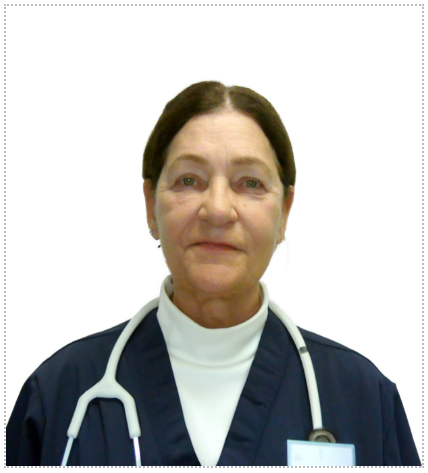


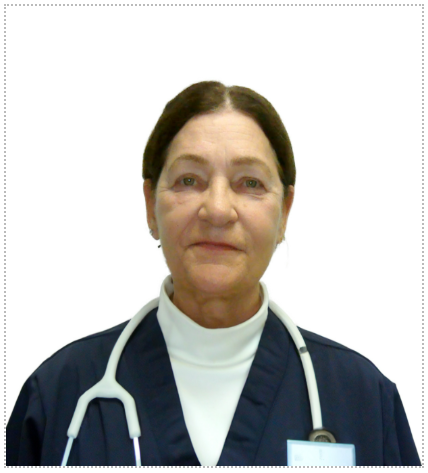
Dolores Fishbein, MSN, RN
Home Care Nursing • Nursing Education • Pediatric & Complex Care
Dolores Fishbein, MSN, RN brings years of home care nursing experience together with extensive experience in nursing education. Her background includes supporting patients and families in the home, educating nurses and caregivers, and helping translate clinical standards into practical guidance for real-world care.
Her experience spans home health nursing, pediatric and complex care, private duty nursing, caregiver education, nursing education, and hospital-to-home care coordination.
This article was clinically reviewed by Dolores Fishbein, MSN, RN for nursing accuracy, clarity, and relevance to home health and pediatric care. Last reviewed September 13, 2026.
What are pediatric nurse specialties?
Pediatric nurse specialties are focused areas of nursing practice involving infants, children, and adolescents. Nurses may specialize by clinical condition, body system, level of acuity, procedure, patient population, or care setting. Examples include pediatric critical care, emergency nursing, oncology, cardiology, neurology, respiratory nursing, infusion therapy, primary care, home health, and private duty nursing. Some terms describe clinical practice areas, while others refer to formal certification or advanced-practice preparation.
What is a pediatric nurse?
A pediatric nurse is a licensed nurse whose practice includes caring for infants, children, adolescents, and their families. Pediatric nurses may care for healthy children, children recovering from illness or surgery, and children living with acute, chronic, developmental, or medically complex needs.
Pediatric nursing is broad. The daily work of a pediatric intensive care nurse can look very different from the work of a pediatric home health nurse, emergency nurse, oncology nurse, school nurse, or outpatient pediatric nurse.
Pediatric nurses also consider growth and development, age-appropriate communication, medication safety, family involvement, developmental differences, and how a child's needs change throughout infancy, childhood, and adolescence.
Pediatric nursing specialties may describe a clinical focus, patient population, care environment, procedure, or level of acuity. Formal credentials such as Certified Pediatric Nurse or Certified Pediatric Nurse Practitioner have separate eligibility, education, examination, and certification requirements.
How are pediatric nursing specialties different?
Pediatric nursing roles can be grouped according to what type of patients, conditions, environments, or clinical skills a nurse focuses on.
Critical & Emergency Care
PICU, emergency, trauma, transport, and other high-acuity roles focus on children with urgent, unstable, or complex medical needs.
Disease & Body-System Specialties
Nurses may develop expertise in oncology, hematology, cardiology, neurology, pulmonary care, gastroenterology, endocrinology, or another pediatric specialty.
Procedures & Medical Technology
Some pediatric nurses develop expertise in infusion therapy, vascular access, respiratory equipment, tracheostomies, ventilators, feeding technology, and other complex treatments.
Primary, Community & Home Care
Pediatric nurses may practice in physician offices, schools, clinics, community programs, rehabilitation settings, home healthcare, or private duty nursing.
What are the main types of pediatric nurses?
There is no single universal list of pediatric nursing specialties. The following are common areas in which pediatric nurses may develop clinical experience and expertise.
Pediatric Critical Care / PICU Nurse
Pediatric intensive care nurses care for critically ill or injured children who may require advanced monitoring, respiratory support, complex medications, invasive lines, postoperative care, or rapidly changing interventions.
Pediatric Emergency Nurse
Pediatric emergency nurses care for children experiencing acute illness, injury, respiratory distress, dehydration, infection, trauma, allergic reactions, and other urgent concerns. Rapid assessment and prioritization are important parts of this role.
Pediatric Respiratory Nurse
Pediatric nurses with respiratory experience may care for children using oxygen, tracheostomies, ventilators, suction equipment, pulse oximetry, or other respiratory technology. They may work in hospitals, rehabilitation programs, specialty practices, or home healthcare.
Pediatric Oncology & Hematology Nurse
These nurses care for children receiving treatment for cancer, blood disorders, and related conditions. Responsibilities may include treatment monitoring, medication administration, vascular access, symptom management, infection precautions, education, and family support.
Pediatric Neurology Nurse
Pediatric neurology nurses may support children with seizure disorders, neuromuscular conditions, developmental complexity, brain or spinal cord conditions, and other neurologic needs.
Pediatric Cardiac Nurse
Pediatric cardiac nurses care for children with congenital or acquired heart conditions. They may work in cardiac intensive care, inpatient units, specialty clinics, surgical programs, or transitional care.
Pediatric Feeding & Nutrition Nurse
Nurses caring for children with feeding needs may support enteral feeding tubes, feeding pumps, hydration plans, nutrition-related medications, intake monitoring, site care, and caregiver education when included within the applicable nursing role and plan of care.
Pediatric Infusion & Vascular Access Nurse
Pediatric infusion nurses may care for children receiving intravenous medications, hydration, biologic therapies, blood products, or other prescribed treatments. Some develop additional expertise with PICC lines, implanted ports, and other vascular access devices.
Pediatric Home Health & Private Duty Nurse
Pediatric home health nurses provide skilled nursing in a child's home. Private duty nurses may provide longer one-on-one shifts for children with ongoing skilled needs. Depending on the child's approved plan of care, nursing may include respiratory support, feeding technology, medications, seizure observation, monitoring, documentation, and communication with the healthcare team.
Pediatric Primary Care Nurse
Pediatric primary care nurses may work in pediatric offices, outpatient clinics, and community settings. Their work may include preventive care, health education, immunization support, triage, developmental considerations, chronic-condition management, and care coordination.
What is the difference between a pediatric RN, CPN, and pediatric nurse practitioner?
These terms describe different aspects of nursing licensure, specialty certification, experience, and advanced-practice preparation.
What pediatric nursing certifications are available?
Certification is different from nursing licensure. Licensure establishes legal authority to practice nursing within a jurisdiction. Specialty certification demonstrates additional knowledge in a defined area of practice.
The Pediatric Nursing Certification Board offers pediatric credentials including:
Certified Pediatric Nurse
A pediatric specialty credential for eligible registered nurses who meet current experience and examination requirements.
Primary Care Pediatric Nurse Practitioner
An advanced-practice certification for pediatric nurse practitioners prepared to provide primary care to infants, children, adolescents, and young adults.
Acute Care Pediatric Nurse Practitioner
An advanced-practice certification for pediatric nurse practitioners prepared to manage acute, complex, critical, or urgent pediatric health needs.
Pediatric Primary Care Mental Health Specialist
A specialty credential for eligible advanced-practice nurses demonstrating additional knowledge related to pediatric mental and behavioral health care.
Eligibility, experience, examination, renewal, education, and state licensure requirements can change. Nurses should confirm current requirements directly with the applicable certification organization and nursing regulatory authority.
How do you become a pediatric nurse?
There is no single pediatric nursing pathway. Nurses generally establish their nursing license first and then develop pediatric expertise through clinical practice, continuing education, employer training, competency development, and optional specialty certification.
What makes pediatric home health nursing different?
Pediatric home health moves nursing care from the hospital or clinic into the child's everyday environment. In private duty nursing, a nurse may spend an extended scheduled shift caring for one child rather than managing several patients in a traditional hospital assignment.
Home care places a strong emphasis on continuity.
Over time, a pediatric home nurse may become familiar with a child's established baseline, prescribed equipment, medication routine, communication needs, caregivers, and approved plan of care. Observation, documentation, communication, and consistency can therefore be particularly important.
Trach & Ventilator Care
Appropriately trained nurses may provide ordered tracheostomy-related care, airway suctioning, prescribed ventilator support, respiratory observation, and other skilled services within professional scope and the child's approved plan of care.
Feeding Tube Support
Home nursing may include ordered G-tube, J-tube, NG-tube, feeding pump, medication, site-care, and nutrition-related routines when included in the child's care plan.
Seizure & Complex Monitoring
Nursing may include observation, prescribed medications, established seizure protocols, documentation, post-event monitoring, and communication with the appropriate healthcare team.
Hospital-to-Home Care
Children transitioning from a NICU, PICU, hospital, or rehabilitation environment may have ongoing skilled needs involving respiratory equipment, feeding technology, medications, monitoring, mobility, or other complex care.
How do nurses choose a pediatric specialty?
Choosing a pediatric specialty often depends on the clinical environment, pace, patient population, and type of nursing work a nurse finds most rewarding.
Pediatric nurse specialties FAQs
What are pediatric nurse specialties?
Pediatric nurse specialties are focused areas of nursing practice involving infants, children, and adolescents. Nurses may specialize according to clinical condition, body system, acuity, procedure, patient population, or care setting.
What are the main types of pediatric nurses?
Common pediatric nursing practice areas include critical care, emergency nursing, respiratory care, oncology and hematology, neurology, cardiology, infusion therapy, feeding and nutrition, primary care, and pediatric home health.
Is pediatric home health nursing a specialty?
Pediatric home health is a specialized care setting in which nurses provide skilled nursing to children in their homes. Some pediatric home nurses develop substantial experience with tracheostomies, ventilators, feeding technology, seizures, complex medications, and medically complex children.
What is a Certified Pediatric Nurse?
A Certified Pediatric Nurse, or CPN, is an eligible registered nurse who has met the certification organization's pediatric experience requirements and passed the applicable specialty examination.
Is a pediatric nurse always an RN?
Many pediatric nurses are registered nurses. Licensed practical nurses may also provide pediatric nursing services within applicable licensure, supervision, competency, employer, and plan-of-care requirements.
What is the difference between a pediatric RN and a pediatric nurse practitioner?
A pediatric RN provides care within registered nursing scope. A pediatric nurse practitioner is an advanced practice registered nurse who has completed graduate education and applicable certification and licensure requirements.
Do pediatric nurses need specialty certification?
Requirements vary by role and employer. Nursing licensure is required for licensed practice, while specialty certification may be optional or required for certain positions. Employers may also require specific clinical competencies or life-support certifications.
Where do pediatric nurses work?
Pediatric nurses may work in children's hospitals, intensive care units, emergency departments, physician practices, specialty clinics, schools, community programs, rehabilitation settings, outpatient centers, and home healthcare.
What does a pediatric private duty nurse do?
A pediatric private duty nurse may provide longer-duration one-on-one skilled nursing in the child's home. Responsibilities depend on the child's needs, applicable orders, nurse competency and scope, payer authorization, service availability, and approved plan of care.
How can nurses find pediatric jobs with Dynamiks Home Care?
Nurses interested in pediatric home health opportunities can review Dynamiks Home Care's current career listings. Available positions, schedules, locations, cases, and required competencies vary according to current staffing needs.
Nursing career and certification resources
Nursing education, licensure, certification, competency requirements, scope of practice, and employer qualifications vary by state, credential, role, and clinical environment. Nurses should verify current requirements with the applicable board of nursing, certification organization, educational institution, and employer.