

Fall Prevention at Home for Seniors: A Family Caregiver Guide
Falls can affect a senior’s confidence, mobility, and independence. For families, prevention starts with noticing small risks at home and building safer routines before an accident happens.
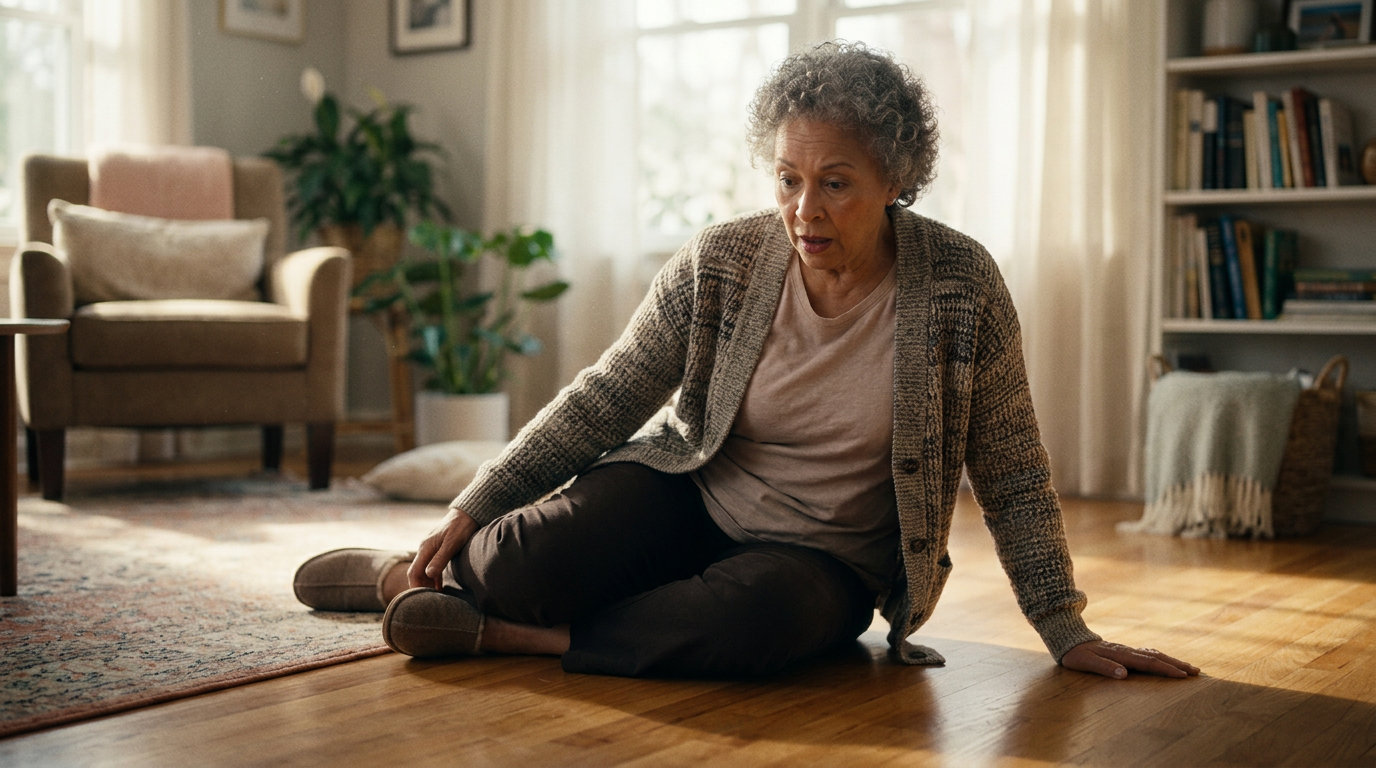
Safer walking paths, better lighting, mobility support, and caregiver awareness can help reduce risks at home.
Quick answer
Fall prevention at home means reducing trip hazards, improving lighting, supporting mobility, reviewing daily routines, and knowing when extra help may be needed.
Why Fall Prevention Matters for Seniors
A fall can change how safe a senior feels at home. Even when a fall does not cause a major injury, it can lead to fear, less movement, and more dependence on family caregivers.
For families, the goal is not to make the home feel clinical. The goal is to make daily routines safer, easier, and more supportive. Simple changes, combined with the right level of care, can help seniors stay more confident at home.
Common Fall Risks Inside the Home
Many fall risks are part of everyday routines. Families may not notice them until a loved one starts moving slower, holding onto furniture, avoiding stairs, or needing help getting in and out of the bathroom.
- 🚪 Cluttered walkways Shoes, cords, furniture, small rugs, and narrow pathways can make walking more difficult.
- 💡 Poor lighting Dim hallways, bathrooms, bedrooms, and stairways can make it harder to see changes in flooring.
- 🚿 Bathroom slips Wet floors, low toilets, tubs, showers, and lack of grab bars can increase safety concerns.
- 🛏️ Bed and chair transfers Getting up too quickly or standing from low furniture can increase instability.
- 💊 Medication changes Some medication routines may affect dizziness, alertness, or balance and should be reviewed with a healthcare provider.
- 🚶 Mobility changes Weakness, pain, balance concerns, or recent illness can make daily movement less steady.
Home Safety Steps Families Can Take
Fall prevention works best when it becomes part of the home routine. Start with the rooms your loved one uses most often and look at the path from bed to bathroom, kitchen, living room, and entryway.
Clear walking paths so your loved one does not have to step around cords, rugs, furniture, or clutter.
Add brighter lighting in hallways, bathrooms, bedrooms, stairways, and areas used at night.
Review bathroom safety, including grab bars, non-slip surfaces, shower seating, and safer toileting routines.
Make daily items easier to reach so your loved one does not need to climb, stretch, or bend too far.
Watch for changes in walking, balance, fatigue, or fear of moving around the home.
How Family Caregivers Can Help Reduce Fall Risk
Family caregivers play an important role because they often see the small changes first. A loved one may move slower, avoid bathing alone, stop using certain rooms, or become nervous about stairs.
- 👀 Notice routine changes Pay attention if your loved one starts holding onto walls, furniture, or counters while walking.
- 🧾 Track recent falls or near-falls Share details with the healthcare provider, including where it happened and what your loved one was doing.
- 💬 Ask about fear Seniors may not mention falls because they do not want to worry family or lose independence.
- 🩺 Review health changes New weakness, dizziness, confusion, pain, vision changes, or medication changes should be discussed with a provider.
- 🏠 Adjust the environment Small home changes can reduce daily risks without taking away comfort or dignity.
- 🌿 Ask for support If caregiving becomes too much, respite care or home care services may help.
When Home Care May Help With Fall Prevention
Home care may be helpful when a senior needs hands-on support with movement, bathing, dressing, transfers, bathroom routines, or daily supervision.
Home health aide support
A home health aide may help with personal care, mobility support, transfers, bathing routines, dressing, toileting, meal routines, and safety-focused daily support.
Skilled care needs
If fall risk is connected to post-hospital recovery, chronic illness, weakness, medication complexity, or clinical concerns, families may need to ask about private duty nursing for adults.
Senior Home Care Support Across Florida
Dynamiks Home Care supports adults, seniors, families, and referral partners across Florida with adult home health care, private duty nursing, home health aide support, respite care, and therapy coordination.
- 📍 West Palm Beach Adult and senior care support in Palm Beach County.
- 📍 Fort Myers Home care support for families and referral partners.
- 📍 Sebring Senior care and adult home health support.
- 📍 Orlando Adult home care and skilled support options.
- 📍 Melbourne Home health care support for adults and seniors.
- 📍 Coral Springs Senior care and adult care support in Broward County.
Frequently Asked Questions
🏡 What is the best way to prevent falls at home for seniors?
The best place to start is with simple home safety steps, including clearing walking paths, improving lighting, reviewing bathroom safety, supporting mobility, and watching for changes in balance or confidence.
🚿 Why are bathrooms a common fall risk?
Bathrooms can be risky because floors may be wet, surfaces can be slippery, and seniors may need to step into tubs, stand from toilets, or move without enough support.
🤲 Can a home health aide help reduce fall risk?
A home health aide can support safer daily routines by helping with bathing, dressing, transfers, walking, toileting, meal routines, and personal care.
🩺 When should families ask about skilled nursing?
Families may want to ask about skilled nursing when fall risk is connected to post-hospital recovery, chronic illness, medication concerns, respiratory needs, weakness, or more complex care needs.
💙 Can home care help after a senior has already fallen?
Yes. Home care may help after a fall by supporting daily routines, mobility, personal care, caregiver relief, and a safer transition back into normal home activities.
Need Help Making Home Safer?
Dynamiks Home Care can help your family explore adult home health care, home health aide support, respite care, private duty nursing, and senior care options across Florida.